
Water
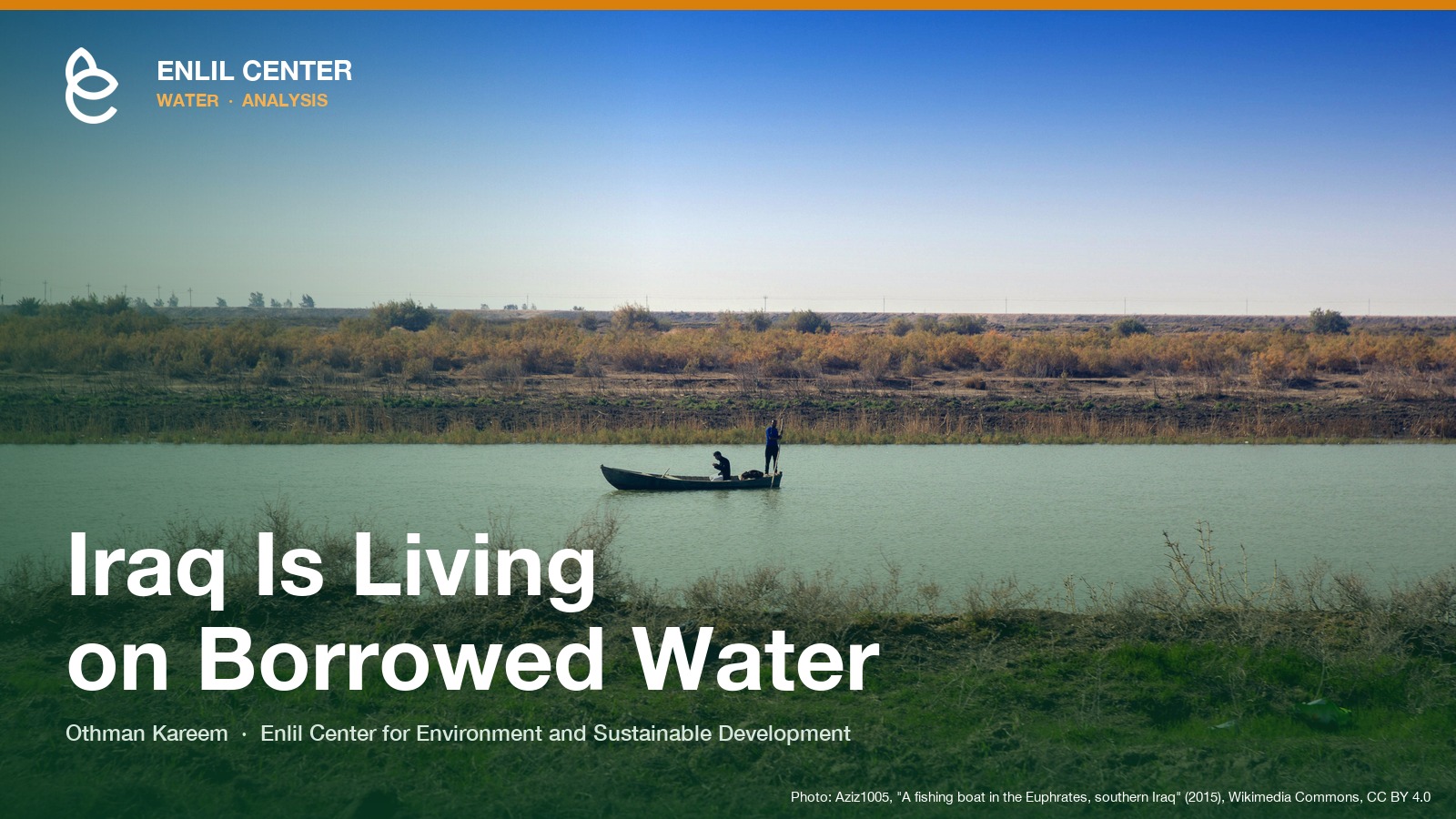
Iraq Is Living on Borrowed Water
Iraq withdraws 120% of its internal renewable freshwater and has fallen below the 1,000 m³ per person scarcity line. Enlil Center sets out the evidence and four policy priorities.
Iraq's water crisis is the country's defining resource challenge. Enlil Center is an independent water research center in Baghdad: we track the rivers, the allocation decisions and the institutions behind them, and publish what the evidence shows.
Iraq depends on two rivers whose flows are decided largely upstream, and on an irrigation system that consumes most of what arrives. Our water research covers the Tigris and Euphrates, salinity in the southern governorates, the recovery of the Mesopotamian marshes, groundwater, and the governance question of how water is allocated between farms, cities and ecosystems. We draw on the team's training in water-resources planning under a changing climate (IHE Delft) and on direct engagement with the Ministry of Water Resources and the national water dialogue.
Below are our water reports, articles and datasets, including renewable freshwater per person, withdrawals by sector, precipitation and access to basic water and sanitation.
Iraq withdraws 120% of its internal renewable freshwater and has fallen below the 1,000 m³ per person scarcity line. Enlil Center sets out the evidence and four policy priorities.
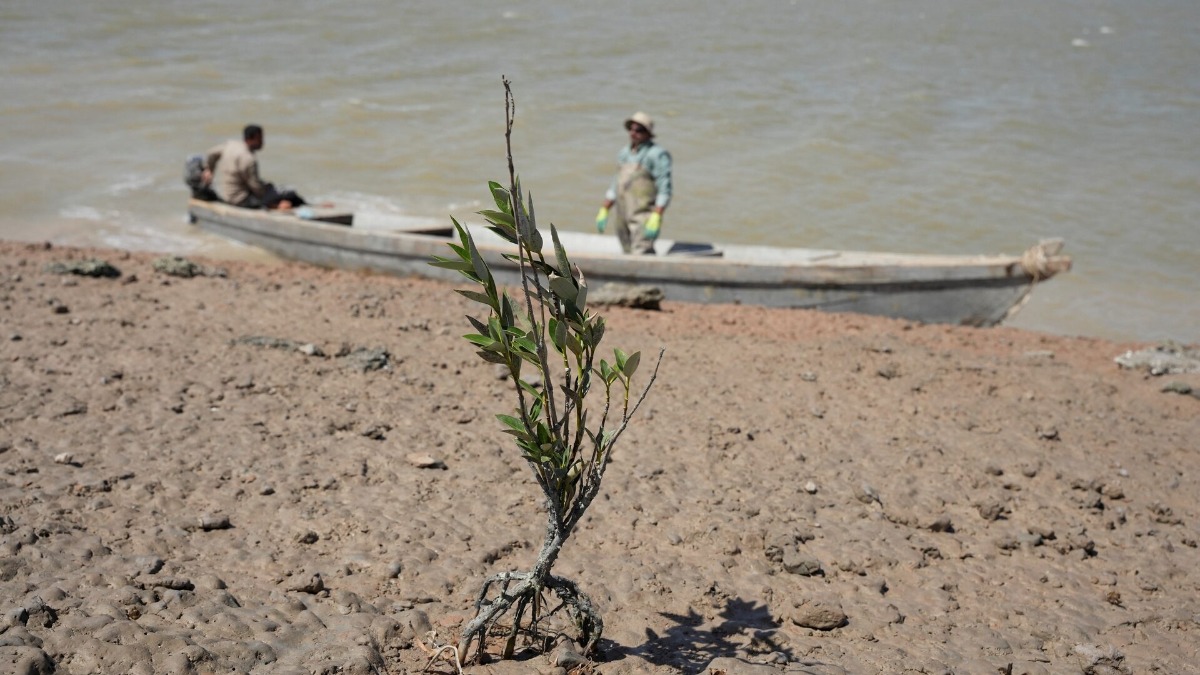
Basra’s mangrove revival faces saltwater intrusion and oil pollution. Enlil Research examines the Khor Al-Zubair restoration and what it means for the coast.
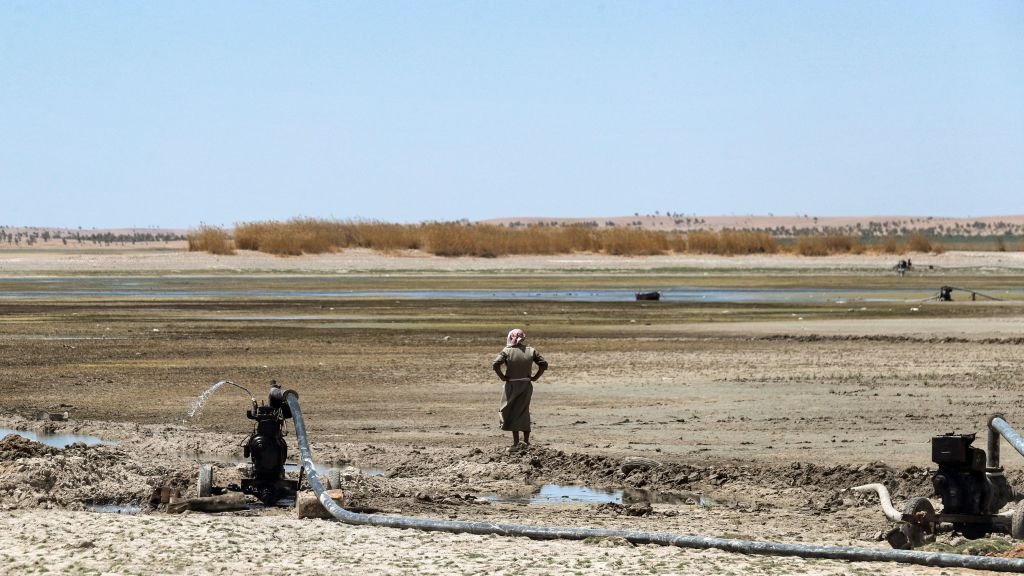
Enlil Center analyzes the severe impacts of water scarcity in the Tigris-Euphrates basin on Iraqi agriculture from 2025 to 2030, proposing vital policies.