
Report PDF
Pathways for Climate Investment in Iraq – Technical Investment Report
Iraq's Climate Investment Plan (CIP) drives economic diversification, sustainable agriculture, and energy efficiency for a resilient, low-carbon future.
Iraq exports oil and imports electricity. Enlil Center is an independent energy research center in Baghdad: we analyse the power sector, gas, oil markets and the renewable transition with the numbers, and with the institutions that run them.
Enlil Center's founder is an energy engineer, and energy runs through our work: Iraq's power paradox of abundant fuel and chronic outages, gas flaring and the capture projects meant to end it, the country's exposure to oil-market shocks and Gulf shipping risks, and the realistic path for solar and other renewables. We have delivered renewable-energy assessments for GIZ-supported programmes and Article 6 carbon-market training for Iraqi ministries.
This page collects our energy reports, articles and datasets, including access to electricity, renewable output and consumption shares, energy use per person and carbon dioxide emissions.
Iraq's Climate Investment Plan (CIP) drives economic diversification, sustainable agriculture, and energy efficiency for a resilient, low-carbon future.
Enlil Center contributed to Iraq’s official Climate Negotiation Handbook, authoring key sections on Mitigation, Energy Security, and the COP28 Position Paper.
Iraq is oil-rich yet power-poor. Othman Kareem analyses the 2026 electricity crisis: Iranian gas reliance, below-cost tariffs, gas flaring & the way out.
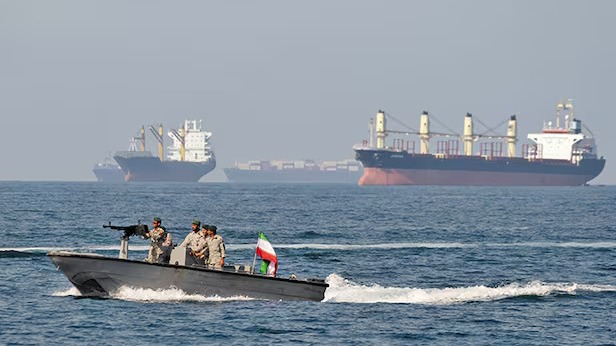
Brent’s most volatile year-to-date run in three decades: Othman Kareem on the 2026 escalation, Hormuz risk, and how Iraq kept exports flowing via Al-Waleed.
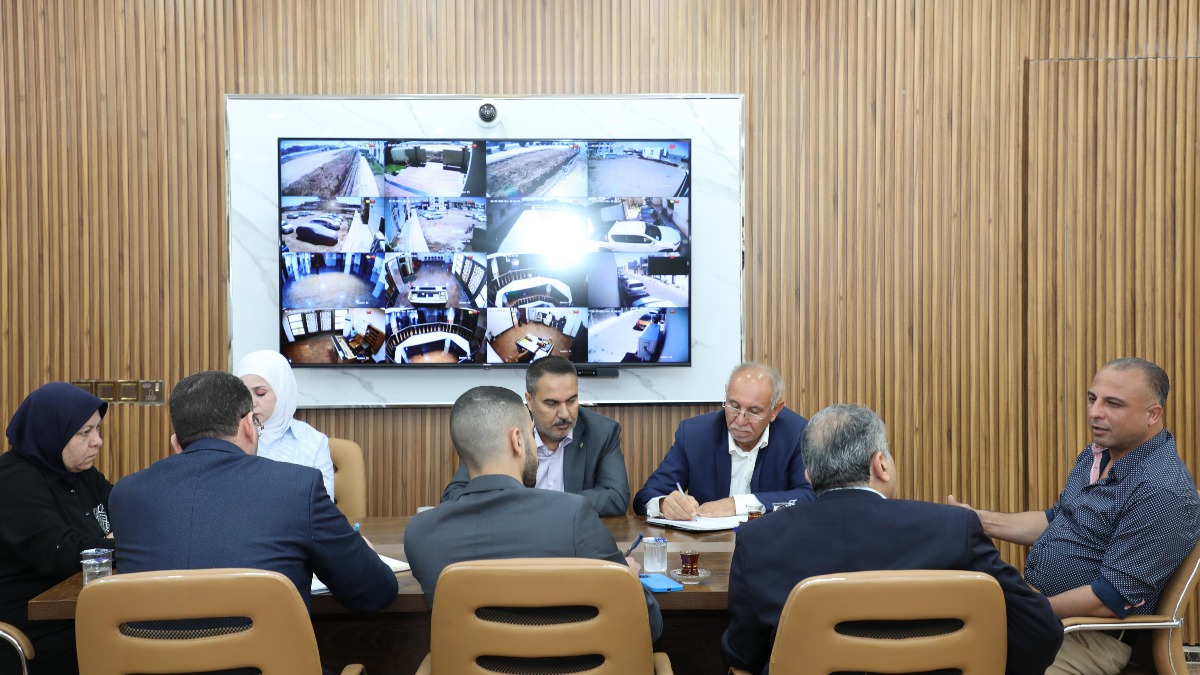
Enlil Center supported a GIZ ARILA renewable energy assessment in Anbar Governorate, evaluating solar and hybrid solutions for public buildings in Ramadi, Fallujah, and Heet to strengthen sustainable reconstruction (2024).