
Energy
Iraq's Power Paradox: An Energy Giant Running Out of Power
Iraq is oil-rich yet power-poor. Othman Kareem analyses the 2026 electricity crisis: Iranian gas reliance, below-cost tariffs, gas flaring & the way out.
Most of Iraq's environmental and economic problems are governance problems first. Enlil Center is an independent policy research center in Baghdad studying how Iraqi institutions decide, coordinate and deliver, and where they fall short.
Our governance work asks how policy actually gets made and implemented in Iraq: which ministry holds which mandate, how data moves (or does not) between institutions, why laws such as the environmental protection law go unenforced, and what local government can and cannot do. Much of it draws on interviews with senior officials across the environment, water, planning, oil and municipal portfolios and on the team's work coordinating inter-ministerial processes for the NDC and the Climate Investment Plan.
This page collects our governance reports, articles and datasets, including the Worldwide Governance Indicators for Iraq and our analysis of waste, environmental law and institutional reform.
Iraq is oil-rich yet power-poor. Othman Kareem analyses the 2026 electricity crisis: Iranian gas reliance, below-cost tariffs, gas flaring & the way out.
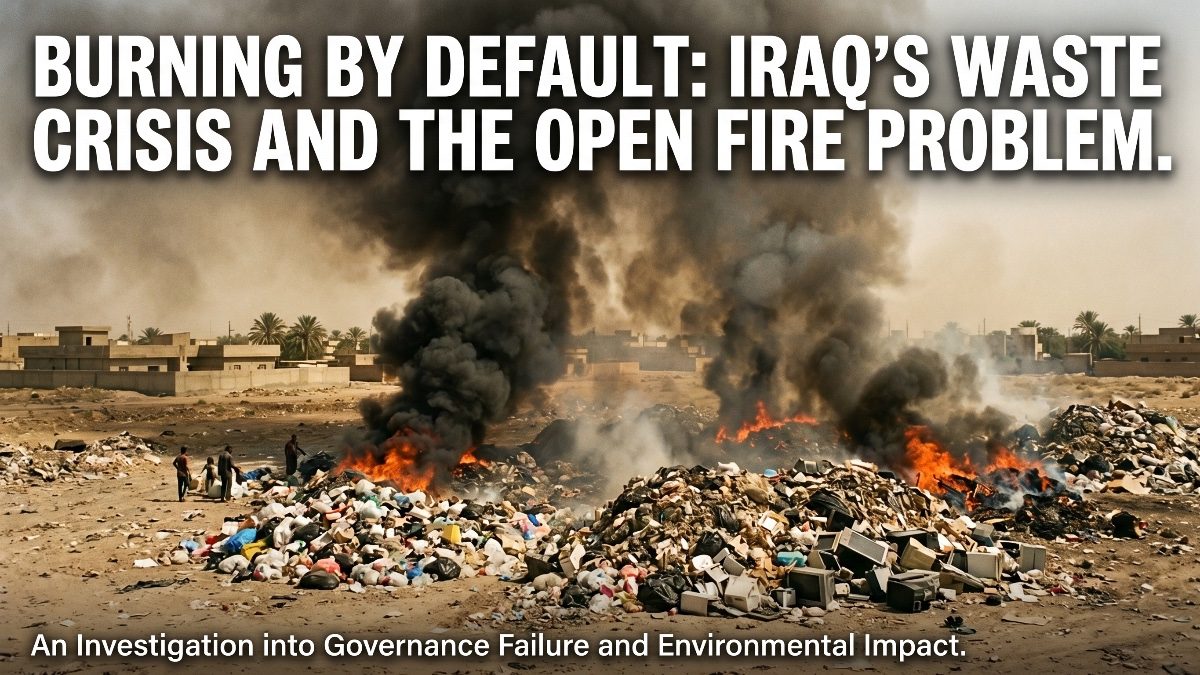
Iraq generates 31,000 tons of solid waste daily, most of it unmanaged. This article examines the open burning crisis and the governance failures driving it.
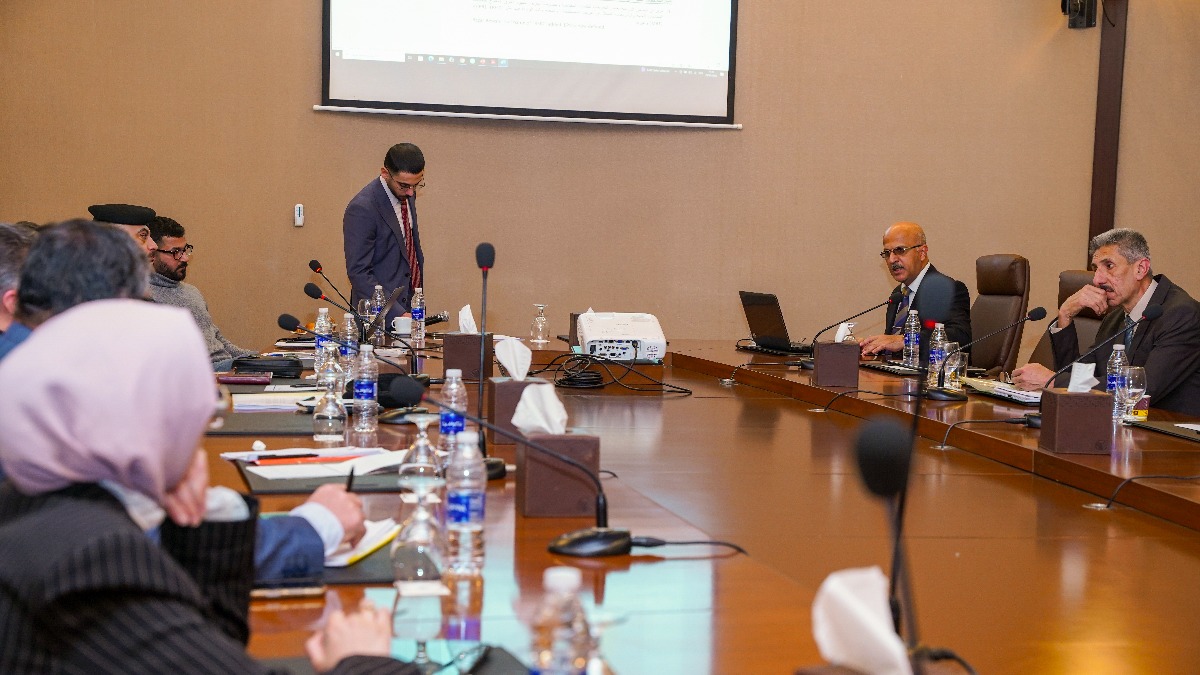
Enlil Center partnered with IGES and the Clean Air Coalition to develop national policy recommendations to stop open waste burning in Iraq, addressing air pollution and governance gaps.